Paz's Story: The Perfectionism that ruled my life
Rejecting myself
Today I can recognize that perfectionism has been a part of my life since I was very young, even though I didn’t have a name for it back then. I grew up believing that everything had to be done perfectly and that making a mistake meant I had failed. That way of thinking filled my life with fear, frustration, and the constant feeling that nothing I did was ever good enough. When I woke up each morning, the first thing I did was look at myself in the mirror. I didn’t like what I saw. I rejected my skin color, my weight, and my height. I felt there was something wrong with me. Then I would look around my home. I saw it as messy, dirty, and out of place. I didn’t like my mother’s appearance or the lack of order and cleanliness around me. I wanted everything—and everyone—to be clean and organized. I believed that was the only right way to do things. Yet there was a huge contradiction in my own life: I slept in the same clothes I had worn during the day, I didn’t brush my teeth, and I neglected my personal hygiene. I rejected myself, but at the same time, I couldn’t find any reason to take care of myself. I thought that if everything was wrong anyway, it didn’t matter how I was.

Living with the belief that everything was wrong
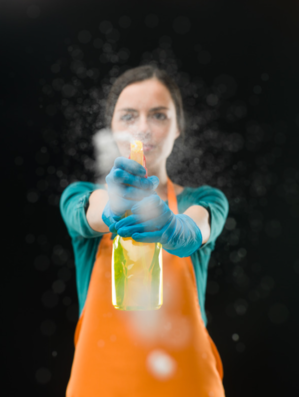
One day I heard my mother say, “If you’re going to do something, do it right. If not, don’t do it at all.” Those words stayed with me. From that moment on, I decided it was better not to do anything than to do it wrong. Over time, I became convinced that everything I did was wrong. If I washed the dishes, I used too much water or soap. If I mopped the floor, it didn’t shine. If I swept, there was always dirt left behind somewhere. Little by little, I stopped trusting myself and came to believe there were only two options: do it perfectly or do it wrong. There were times when I spent the entire day cleaning the house without stopping to rest or eat. I worked nonstop until two or three o’clock in the morning, trying to make everything spotless. Even then, finding one dirty window or a dusty corner was enough to leave me deeply frustrated. I also became angry when other people didn’t care about order and cleanliness. I felt that no one appreciated the effort I made or noticed everything that still needed to be done.
Perfectionism took over every area of my life
That same perfectionism followed me into school. Learning has always required a great deal of effort for me, so any grade less than excellent felt like failure. I slept very little, took on extra assignments, and pushed myself to my limits to achieve the results I expected. I didn’t care what it cost me.
Giving presentations was another constant struggle. I wanted to speak confidently, smoothly, and without my voice shaking. Since that was impossible, I always ended up feeling inadequate. The same thing happened in my relationships. I believed I had to speak clearly, correctly, and without making mistakes. After every conversation, I would replay it in my mind, wondering if I had said the right thing, if I had talked too much, or what other people thought of me. Many times, I chose to stay silent rather than risk saying something wrong.

What I learned in recovery
I joined Emocionales Anónimos at the age of 29. Admitting that I was a perfectionist was very painful. For a long time, I believed I was right and everyone else was wrong. I thought no one understood the importance of order, cleanliness, or doing things “the right way.” In the group, I discovered that this way of thinking was causing my suffering. I lived in extremes: everything was black or white, right or wrong. There was no room for patience, tolerance, or learning. I also realized that my fear of making mistakes had held me back from many important opportunities. I let opportunities pass me by, dropped out of school, and started many things that I never finished because my expectations were unrealistically high and I couldn’t accept making mistakes. Today I understand that it wasn’t a lack of ability—it was the fear of not doing everything perfectly.

One day at a time
Today I continue learning that making mistakes does not mean failing. Mistakes are part of learning and growing. Through the group, I have learned to wait, to be more patient when things don’t happen the way I want them to, and to be more accepting when people don’t meet my expectations. I no longer need everything to be perfect in order to move forward. I simply try to do the best I can with the resources I have, trusting that results will come in time. I live one day at a time, trusting the process and remembering that real change doesn’t come from controlling everything around me. It comes from learning to live with patience, humility, and acceptance. Thanks to the Recovery Program, I have discovered that perfection never brought me peace. Instead, accepting my limitations, learning from my mistakes, and continuing to move forward is what allows me to live with greater serenity today.
Paz S.
El encuentro que marcó la diferencia: Emocionales Anónimos
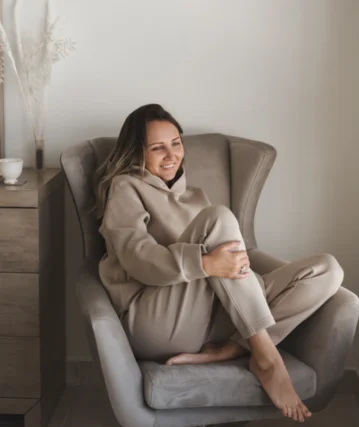
Eliana encontró verdadera transformación cuando llegó a Emocionales Anónimos, una comunidad donde pudo compartir su dolor sin vergüenza y escuchar historias similares a la suya.
“Encontré personas que escuchan y entienden mi historia. Ahí descubrí que mis miedos se disuelven cuando los enfrento acompañada.”
La práctica espiritual y emocional del programa la ayudó a revisar su historia de una forma nueva, menos cruel, más compasiva.
“Acepté mi pasado, perdoné a mi familia y me perdoné a mí misma.”
Aprendió a poner límites con amabilidad.
A soltar el miedo a la reacción de los demás.
A elegir su bienestar.
Y, sobre todo, a descansar.

Recuerda, los grupos Emocionales Anónimos ofrecen un entorno seguro y comprensivo donde puedes compartir tus pensamientos y emociones sin temor a ser juzgado. Al escuchar las experiencias de otros miembros que han superado desafíos similares, puedes obtener esperanza y perspectiva.
Además, el apoyo emocional y el sentido de pertenencia pueden ayudarte a sentirte menos sola y más motivada para buscar tu recuperación.