Amparo's Story: From suicidal thoughts to giving myself a chance to live
“Vivir con Fobias y Fobia Social: Del Miedo Constante a la Esperanza”.
A Childhood Where I Couldn’t Find My Place
From a very young age, I wondered why I existed. I was curious because I could not understand existence or find any meaning in it. I felt uncomfortable with myself and carried a strange feeling inside that I did not know how to explain. When I woke up, I felt resistant to starting another day. I was bored and searched for something I might enjoy or that might keep me occupied, even though I did not really know what I was looking for. My mind often felt blank. I looked around my home, which was frequently messy and dirty, and nothing I saw made me feel good. I looked for something to play with, but I felt as though there was nothing there for me. I was also afraid. I remember that even after I had learned to walk and could go up and down the stairs by myself, doing so still frightened me. Little by little, the rejection I felt toward everything around me began to turn inward. I did not like my body, my height, or the person I saw in the mirror. I thought I was ugly, and many mornings I woke up in a bad mood. As I grew older, those feelings continued. I did not like my mother’s cooking, I did not like going to school, and I did not want to help her clean the house. I did many things unwillingly and with anger. I learned to fulfill certain responsibilities because I was afraid of punishment and of being hit by my mother.

Growing Up With Illness, Hardship, and Responsibility
My family’s financial situation began to get worse. My father’s business was no longer doing well, and his cardiovascular illnesses caused him to be hospitalized frequently. We began living with many hardships at home. Sometimes there was not enough food, and at times we even lacked basic utilities and household supplies. When I was 13 years old, my father passed away. My mother suffered from rheumatic fever, diabetes, and high blood pressure, and it became necessary for me to work. My two sisters and my brother did not help us financially, so I felt that the responsibility for moving forward rested on my mother and me. It was an extremely difficult period for me. I went to school in the mornings, worked in the afternoons, and did my homework at night. I slept very little because I frequently had to take my mother to the emergency room when her diabetes or blood pressure became uncontrolled. I felt a very deep sadness. It hurt me that my siblings had so little contact with us and that we did not receive their support. When we spoke on the phone, we often ended up arguing because I confronted them about not helping. I began to think that I would rather die than continue living that way. Those thoughts became stronger and more frequent. Life felt too heavy for me, and I felt that I simply could not carry it anymore.

When Suicidal Thoughts Began
At 14, I went to see a psychiatrist because I thought something was wrong with me. I felt intense hatred toward my brother because he would hit me, and I did not know how to cope with everything I was going through. During that time, thoughts of dying stopped being just thoughts that entered my mind and began to influence my actions. I started misusing the medication I had been prescribed and, at one point, took an excessive amount with the intention of never waking up. Later, after mixing medication with alcohol, I made another attempt to end my life. At that time, I felt that I could no longer bear the pain of seeing my mother so ill, thinking that I might never see her healthy and happy, and continuing to live surrounded by so much hardship. For a long time, I could not find any meaning in my life. To me, living meant working to pay the household bills, finding enough money for food, and covering my mother’s medical care. There were no vacations and very few of the things I saw other people enjoying. My priority was simply keeping our home in livable condition. At 18, I found a good job as a restaurant manager. That job gave my mother and me greater financial stability. However, I had chosen it mainly because of the salary. I did not enjoy the work, and for a long time I was even ashamed to tell people what I did. To others, I appeared happy, but inside I continued to feel indifferent toward life and deeply frustrated. For years, I continued misusing medication while also drinking alcohol, consuming large amounts of caffeine, and smoking. I neglected my health and my eating habits because the desire to die was still present within me. I knew that mixing medication and alcohol could have serious consequences, and at that point in my life, I did not care.
I Came to the Recovery Program Feeling as Though I Was Dragging Death Behind Me
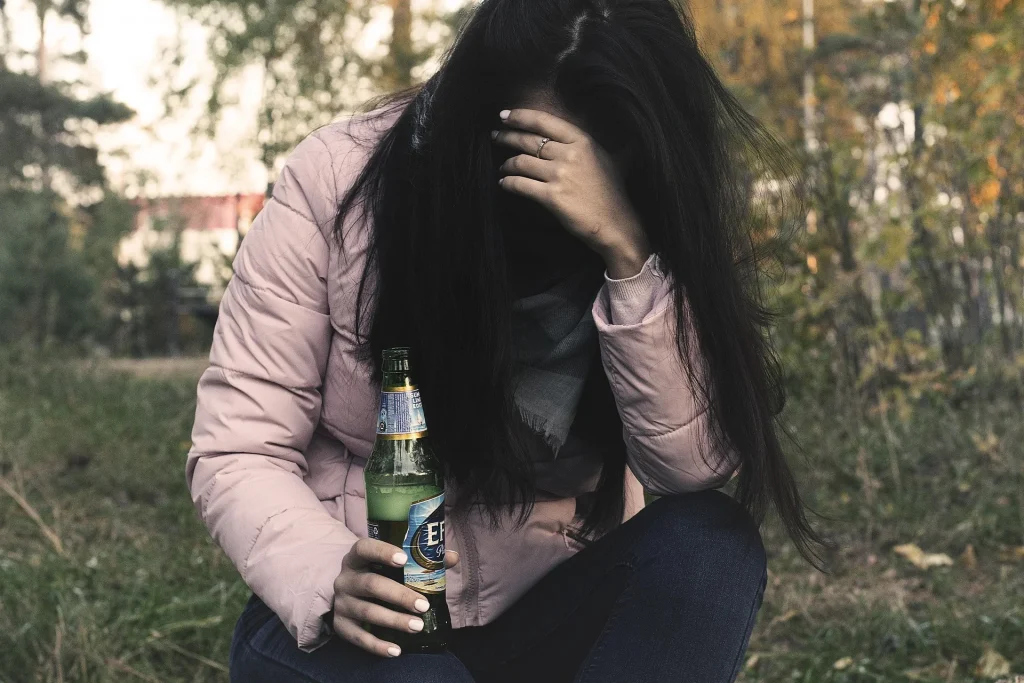
At 29, I decided to stop drinking alcohol, but my reactions to life became increasingly explosive. My personality changed. I insulted people, stopped exercising, and once again completely lost my sense of purpose. During an emotional crisis, I made another impulsive attempt to end my life while my partner was driving. Eventually, I reached a point where I felt I could not go on. I had difficulty concentrating, I arrived late to school and work, and everything looked dark to me. Food had lost its taste. At night, I suffered from insomnia, and in the afternoons I was overwhelmed by sleepiness. I lived in a constant state of nervousness, and suicidal thoughts were always present. I had reached a point where those thoughts occupied so much of my mind that I could no longer see another possibility for my life. That was the condition I was in when I came to the Emotions Anonymous recovery program. I felt as though I was carrying life on my shoulders while dragging death behind me. The people in the group welcomed me with kindness and care. They explained the recovery program to me and invited me to give myself the opportunity to discover a different way of living. They would ask me, “What do you have to lose?” And inside I thought, “They’re right. I have nothing left to lose.” I felt that I had already lost everything because I had lost all sense of meaning in my own life. My constant thoughts of dying kept me from seeing any other possibility. Even so, I decided to give myself a chance.

I Gave Myself a Chance to Live
I began practicing the Emotions Anonymous recovery program and receiving help and support from my fellow members. I did not have to understand my entire life all at once. What mattered was that I began giving myself the opportunity to live it differently. With time, those impulsive attempts to end my life disappeared, and suicidal thoughts stopped controlling my life. Little by little, I began learning how to face my emotions and the circumstances of my life in a different way. For many years, I believed that dying was the only way to end the pain. Today, my experience is different. I continue practicing the recovery program, and I continue learning with the help of my fellow members. Today, I am able to function in my daily life and take part in life in a healthier way. I came to the recovery program believing that I was carrying life on my shoulders while dragging death behind me. Today, I am still here. I gave myself a chance to live.
Amparo E.

El encuentro que marcó la diferencia: Emocionales Anónimos
Eliana encontró verdadera transformación cuando llegó a Emocionales Anónimos, una comunidad donde pudo compartir su dolor sin vergüenza y escuchar historias similares a la suya.
“Encontré personas que escuchan y entienden mi historia. Ahí descubrí que mis miedos se disuelven cuando los enfrento acompañada.”
La práctica espiritual y emocional del programa la ayudó a revisar su historia de una forma nueva, menos cruel, más compasiva.
“Acepté mi pasado, perdoné a mi familia y me perdoné a mí misma.”
Aprendió a poner límites con amabilidad.
A soltar el miedo a la reacción de los demás.
A elegir su bienestar.
Y, sobre todo, a descansar.

Recuerda, los grupos Emocionales Anónimos ofrecen un entorno seguro y comprensivo donde puedes compartir tus pensamientos y emociones sin temor a ser juzgado. Al escuchar las experiencias de otros miembros que han superado desafíos similares, puedes obtener esperanza y perspectiva.
Además, el apoyo emocional y el sentido de pertenencia pueden ayudarte a sentirte menos sola y más motivada para buscar tu recuperación.