"When Resentment Makes You Sick"
The Story of Esther and Her Journey to Liberation
“I resented everyone, even myself.
Today I know that resentment was a way of running away from fear.”
When everything hurt me
Ester confesses that for years resentment was a constant presence in her life. “I’ve resented absolutely everyone at some point, no matter what kind of person they were. If someone didn’t do or say something I wasn’t expecting, I would start to resent them internally, even if I tried to hide it.”
What affected her the most were people with power, those who were unpredictable, or those who showed
indifference towards her. “The deepest resentment arose from the fear of not being important to others. She was terrified of indifference.”
But the most important discovery came later: “The person I have resented the most in this life is myself. I never understood or tolerated myself until I started working on my emotional recovery.”
When the body calls out what the soul keeps silent about
Resentment didn’t just affect her emotionally. “I have psoriasis, an autoimmune disease that’s very emotionally related. But that was only part of the problem. I abused myself a lot, to the point of attempting to kill myself twice. I felt like my pain was unbearable and that no one loved me.”
Ester remembers this stage as an abyss of hopelessness: “The repressed resentment turned into self-hatred. I stopped eating, slept poorly, and fell into a deep depression.”
Resentment at work and in daily life
“My resentments affected me in all areas of life. At work, for example, I would think that everything that was said was against me. It was hell.”
Over time, he began to understand that many of these interpretations came from fear and insecurity. “I realized that most of my resentments had no real reason. And those that did have one, often it was not up to me. I learned that the important thing is to know how to distinguish what is in my hands and what is not.”
The trap of revenge
“When I felt someone’s indifference, I immediately became angry. I needed to change this reality, I couldn’t stand it. Internally I demanded attention and protection in an insistent way, which was exhausting for others and destructive for me.”
He remembers his relationship with his mother as one of the most difficult: “I needed all her attention and couldn’t
bear to share it. I punished her with my indifference, with my bad mood,
with criticism. Deep down, the biggest punishment towards her was my suicide attempts. It was my way of telling her how much I was suffering, although also the most destructive way of doing it.”
Over time she understood that these reactions were a reflection of a deeper wound: the fear of rejection and of not feeling loved.
A poison called perfectionism
“With my friends I always needed to feel important. If they forgot about me, a whirlwind of hatred would invade me. But I hid it, because I was afraid they would reject me if I showed what I felt.”
This constant control isolated her. “Resentment became a deadly poison. It punished me inside, I felt guilty even for the decisions of others.”
The turning point: discovering Emotional Anonymous
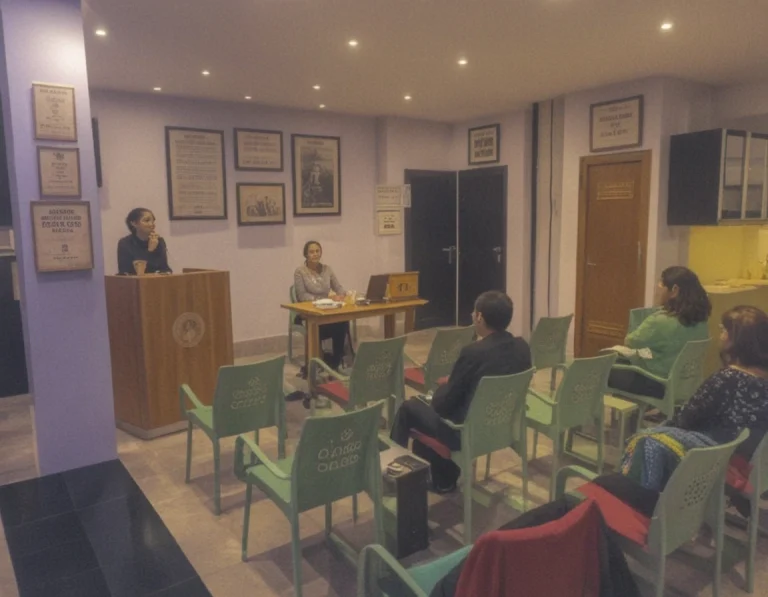
Ester acknowledges that her true transformation began when she decided to ask for help and approached Emotional Anonymous, a 12-step group focused on inner work and emotional recovery.
“There I understood that the problem was not others, but the way I reacted to them. In the meetings I found people who spoke the same emotional language as me, who did not
They judged and offered me a path to understand and heal myself.”
The support and tools of the group allowed him to recognize his patterns and begin to let go of resentment. “I learned to see my resentments, accept them and work on them. I discovered that behind them was fear, pride and envy. Being able to recognize them gave me freedom.”
Today, Ester says the group saved her life. “At Emotional Anonymous I learned to stop looking at what others are doing and start looking at myself. I no longer run away from my emotions, I embrace them so I can transform them.”

A final message
Ester concludes her testimony with a hopeful message:
“Resentment was my prison for many years. But it was also the mirror that showed me who I was. Thanks to Emotional Anonymous, today I know that I can live in peace, without carrying the past.”
Recuerda, los grupos Emocionales Anónimos ofrecen un entorno seguro y comprensivo donde puedes compartir tus pensamientos y emociones sin temor a ser juzgado. Al escuchar las experiencias de otros miembros que han superado desafíos similares, puedes obtener esperanza y perspectiva.
Además, el apoyo emocional y el sentido de pertenencia pueden ayudarte a sentirte menos sola y más motivada para buscar tu recuperación.