Esperanza´s Story: the disconnection between reason and emotion
“Living with Phobias and Social Phobia: From Constant Fear to Hope”.
Fear Since Childhood
From the age of three, I lived in fear. My hands would sweat, my body would tremble, and I would freeze to the point of being unable to speak. Darkness terrified me; I could not walk alone unless an adult was with me. I firmly believed in ghosts and witches and thought they could appear at any moment. My mother reinforced these fears by telling me about La Llorona, a widely known myth in Mexico during the 1960s, said to take children who misbehaved. I believed it, and fear became part of my daily life. On top of that, my mother used to wake me up every morning by yelling, which kept me in a constant state of alarm.
Violence and Silence
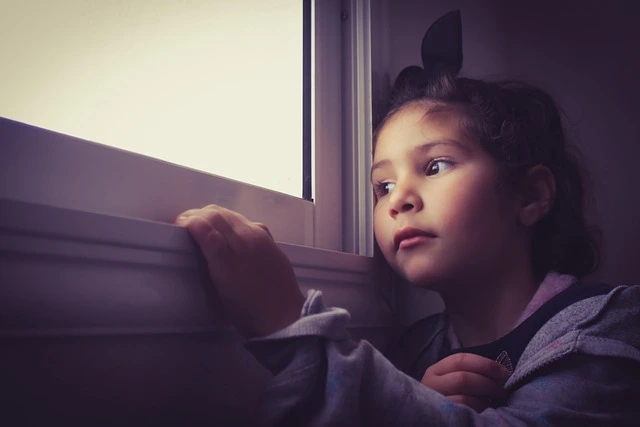
As I grew older, my fears intensified due to the violence of my older brother. Just seeing him made my body tremble; his yelling shut down my mind. For years, I was a victim of physical and verbal abuse. I told my mother, but she never did anything. One day, overwhelmed by anger and desperation, I confronted him and responded with shouting and hitting. His reaction was brutal, he beat me until I was left motionless on the floor. I felt deeply sad and disappointed, not only in my mother but also in my sisters, who witnessed what happened and did nothing. From that moment on, I became quiet, defenseless, and empty, convinced that no one cared about my pain.

Fear of People and the World
I grew up believing it was pointless to speak because no one at home listened. I developed an intense fear of people and of being judged. At school, I never participated; my voice would break whenever I tried to speak. I lived with constant insecurity, both inside and outside my home. I believed that if my own family did not love me, no one else ever would. I isolated myself, ate in hiding or under the table out of fear of being scolded. Being around people triggered anxiety, shortness of breath, and terror. I was trapped in my phobias and deep social phobia.
Surviving by Pretending Strength
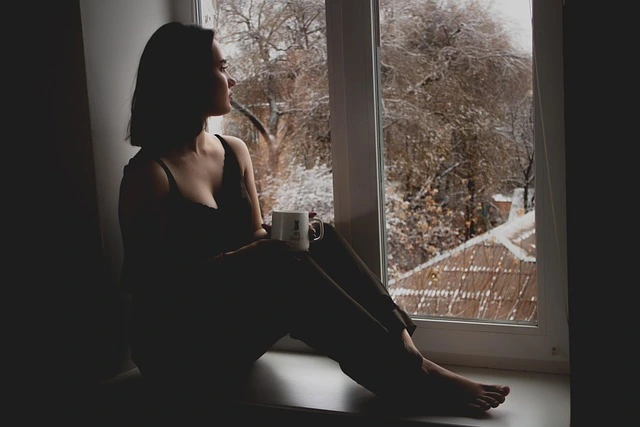
At the age of thirteen, out of necessity, I started working. I learned to pretend to be confident, helpful, and pleasant, even though inside I lived with constant nervousness. People noticed my anxiety and commented on it. At nineteen, a doctor diagnosed me with Irritable Bowel Syndrome (IBS), a condition closely linked to chronic stress and anxiety. I felt unhappy, frustrated, and hopeless. I received psychiatric treatment and psychological support, but I was never able to talk about what was truly happening at home because I was afraid of my mother, even when I arrived at appointments with visible bruises. Fear continued to rule my life.

The Group and Recovery
At twenty-nine, I came to the group after a suicide attempt. I could no longer cope with the anxiety, insomnia, and inner emptiness. It no longer mattered to me whether I lived or died. I was deeply afraid of the future and of being alone. Asking for help was one of the most difficult and painful acts of my life. I was afraid of being judged, humiliated, or rejected. However, in the group I found something I had never had before: people who listened to me with respect, empathy, and confidentiality. Through their shared experiences and the practice of the Twelve Steps, I began to heal. Today, I give presentations in class, train new staff at work, drive and hike at night, relate to people, and most importantly, I have regained a sense of purpose in my life.
El encuentro que marcó la diferencia: Emocionales Anónimos
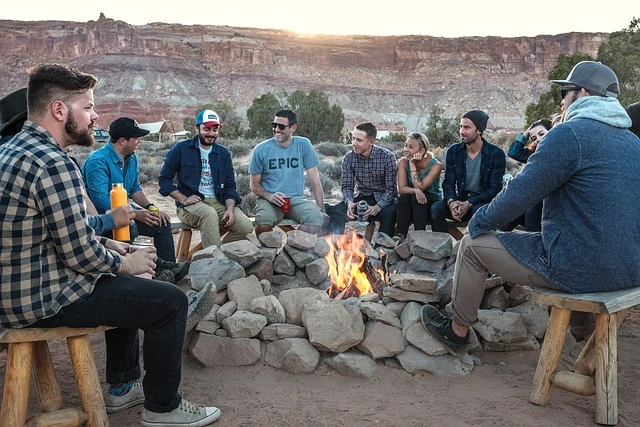
Eliana encontró verdadera transformación cuando llegó a Emocionales Anónimos, una comunidad donde pudo compartir su dolor sin vergüenza y escuchar historias similares a la suya.
“Encontré personas que escuchan y entienden mi historia. Ahí descubrí que mis miedos se disuelven cuando los enfrento acompañada.”
La práctica espiritual y emocional del programa la ayudó a revisar su historia de una forma nueva, menos cruel, más compasiva.
“Acepté mi pasado, perdoné a mi familia y me perdoné a mí misma.”
Aprendió a poner límites con amabilidad.
A soltar el miedo a la reacción de los demás.
A elegir su bienestar.
Y, sobre todo, a descansar.

Recuerda, los grupos Emocionales Anónimos ofrecen un entorno seguro y comprensivo donde puedes compartir tus pensamientos y emociones sin temor a ser juzgado. Al escuchar las experiencias de otros miembros que han superado desafíos similares, puedes obtener esperanza y perspectiva.
Además, el apoyo emocional y el sentido de pertenencia pueden ayudarte a sentirte menos sola y más motivada para buscar tu recuperación.