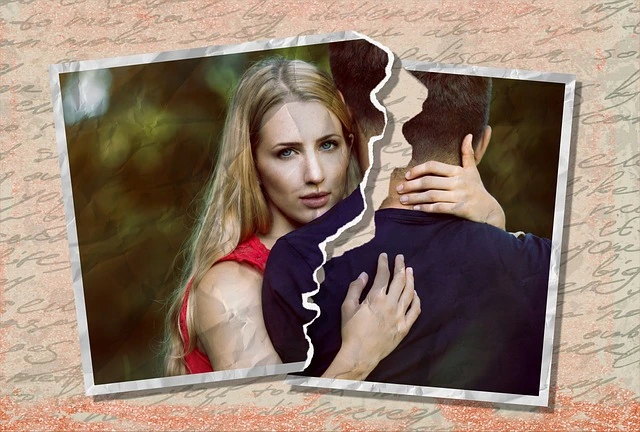
Maria's Story: The Loss of My Identity

Prioritizing someone else’s peace over your own is a form of self-abandonment: When you stop being yourself so the other person doesn’t leave, you end up losing yourself in the process.”


The fear of loneliness

At first, if you had asked me, I would have told you that I was lucky enough to find “the love of my life.”
It wasn’t a normal love; it was incandescent. I felt that before him, I only walked in black and white. That person was my sun, my center of gravity, the air that filled my lungs. That was the first trap: believing that my life only had meaning if it was reflected in his eyes.

Little by little, without realizing it, I began to disappear.

I remember that I stopped going to dinners with my friends. I told myself that I “preferred to be alone with my partner,” but the reality is that I was terrified that something I did might upset him. I started changing the way I dressed, my political opinions, even the music I listened to. I became an emotional chameleon. If he was happy, I soared; if he came home with a serious expression or If he didn’t reply to a message for an hour, my world crumbled. I felt a physical chill in my chest, an anxiety that only subsided with his attention.

Living like that is like living on a roller coaster with no brakes

There were nights when I looked in the mirror and didn’t recognize the person standing there. I knew the relationship was breaking me. I knew the yelling, the punishing silences, the indifference weren’t normal. But the fear of loneliness was a much bigger monster than the pain of being there. I told myself, “If I hold on a little longer, if I’m better, we’ll go back to how we were in the beginning.” I was like an addict waiting for their next fix of affection, even though I knew the poison was killing me.

The day I decided to leave wasn't an act of heroic bravery; it was an act of pure survival

“No contact” was the hardest thing I’ve ever done. It felt like physical detox. Sweating, the urge to cry, my hand trembling over the phone. to write that “I miss you” that I knew would drag me down again. But I persevered.

Today, silence no longer frightens me

I’ve gone back to reading the books I loved, to laughing with the people who truly loved me and whom I had pushed away. I’ve learned that loneliness isn’t a void someone else has to fill, but a garden I must tend.

My Recovery

I’m still healing, but now I know one thing: no love that demands you give up on yourself is worth it. After a long time, I’ve regained control of my own peace.
I’ve realized that I sought refuge in others because I couldn’t build it within myself, and that my blindness was the beginning of the clarity of my recovery.

El encuentro que marcó la diferencia: Emocionales Anónimos

Eliana encontró verdadera transformación cuando llegó a Emocionales Anónimos, una comunidad donde pudo compartir su dolor sin vergüenza y escuchar historias similares a la suya.
“Encontré personas que escuchan y entienden mi historia. Ahí descubrí que mis miedos se disuelven cuando los enfrento acompañada.”

La práctica espiritual y emocional del programa la ayudó a revisar su historia de una forma nueva, menos cruel, más compasiva.
“Acepté mi pasado, perdoné a mi familia y me perdoné a mí misma.”
Aprendió a poner límites con amabilidad.
A soltar el miedo a la reacción de los demás.
A elegir su bienestar.
Y, sobre todo, a descansar.

Recuerda, los grupos Emocionales Anónimos ofrecen un entorno seguro y comprensivo donde puedes compartir tus pensamientos y emociones sin temor a ser juzgado. Al escuchar las experiencias de otros miembros que han superado desafíos similares, puedes obtener esperanza y perspectiva

Además, el apoyo emocional y el sentido de pertenencia pueden ayudarte a sentirte menos sola y más motivada para buscar tu recuperación.