Consuelo’s story: Living with depression and finding hope
A Childhood filled with sadness and emptiness
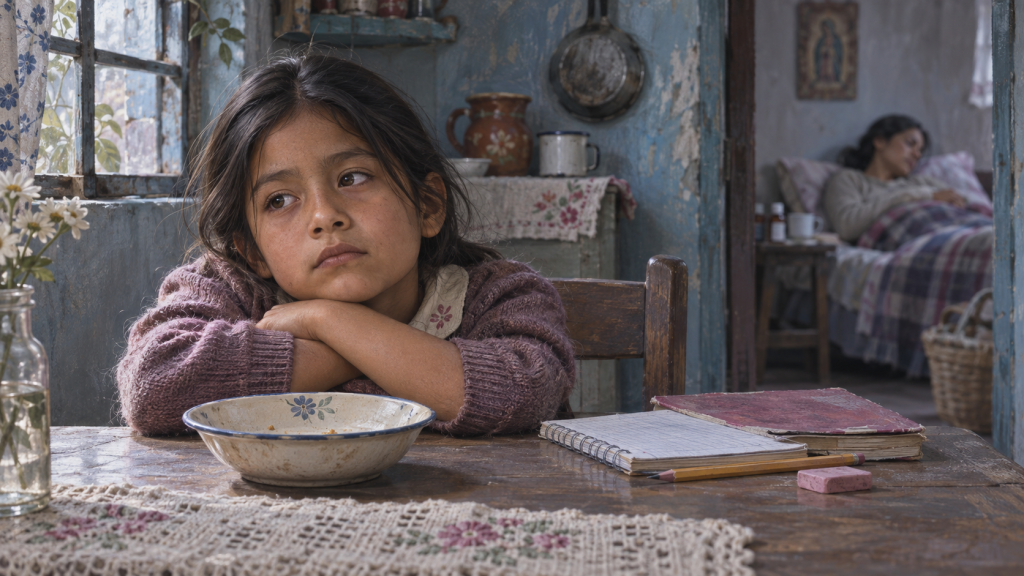
From a very young age, I felt sad almost all the time. I worried that there wouldn’t be enough money for food or clothes. It hurt to live in a messy, dirty home with a mother who was ill and unable to care for herself. I felt an emptiness that I tried to fill with food whenever it was available, which made going without it especially painful. I had no energy to get out of bed, and nothing excited me. Cleaning, getting dressed, or taking a bath felt like a struggle. I went to school and did things because my mother told me to. That was how I grew up: feeling lost, unable to find meaning in life.
Growing up with the weight of life
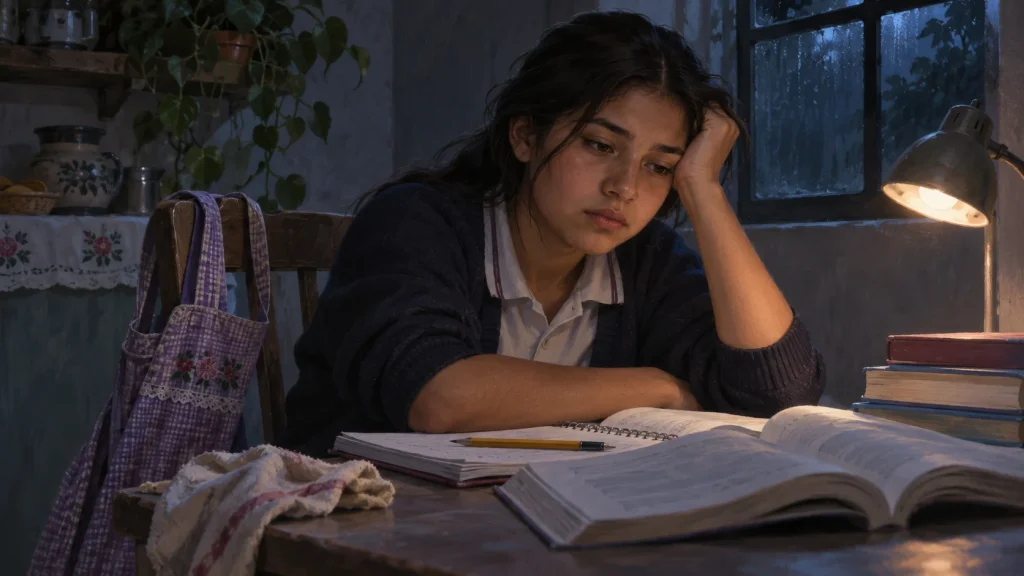
My father died when I was thirteen, and I had to start working. My life became a cycle of working, studying, cleaning, and eating whatever we could afford. Later, I also had to look after my mother in the hospital. I slept only a few hours a night and felt that, no matter how hard I tried, I could never escape my circumstances. Everything seemed dark and bleak. I added too much sugar to my food because I couldn’t find any flavor in it, just as I couldn’t find any in my life. I felt a constant heaviness in my body, as though I were carrying the full weight of life. At fourteen, I sought psychiatric help, but I eventually began misusing my medication. During those years, I also turned to alcohol, and there were times when I tried to take my own life.
Pain, loss, and resentment
When my mother died, I was left feeling deeply angry at life. I felt that my first twenty-six years had been spent surviving, paying bills, and caring for her, without ever having the chance to build something of my own. My mother had left the house to my brother, and I felt I had been left with nothing. Our relationship was difficult, and we eventually had a falling-out. To keep living there, I had to cover all the household expenses, even though he lived there too. I felt disappointed, frustrated, and deeply hurt. I decided to try my luck in another country, but the pain came with me. My dependence on alcohol and medication became a way of trying to forget the sadness, helplessness, and emptiness I carried inside.

A crisis and the chance to receive help
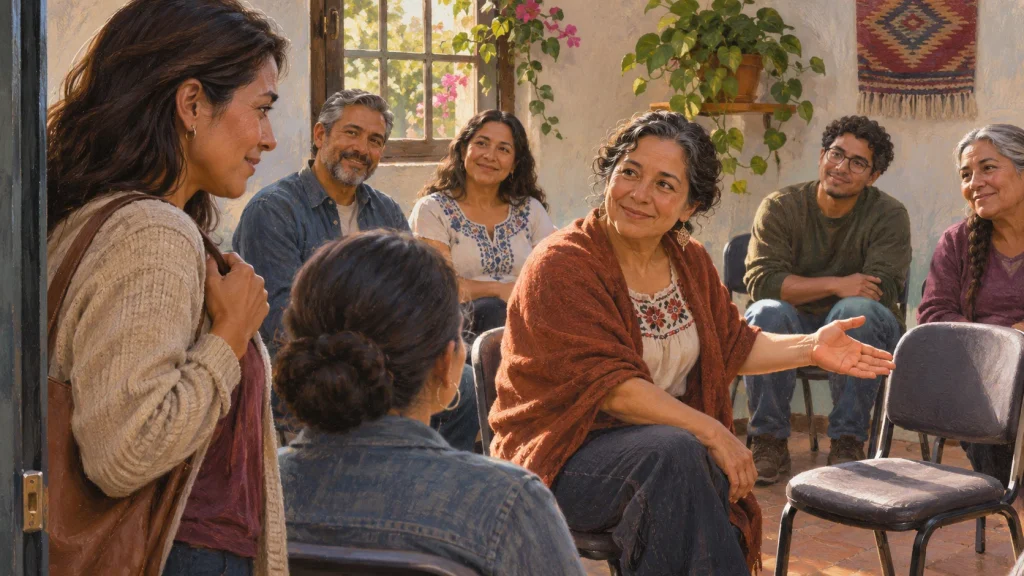
One day, I decided to stop drinking and change my life. During that time, my personality changed so much that I no longer recognized myself. I felt intensely anxious and completely lost. I could no longer do things that had once been part of my life: exercise, clean the house, eat healthily, or concentrate enough to take exams. I came to believe there was no way out, and I attempted suicide for the third time. I survived and later found Emotions Anonymous. There, I was given the opportunity to learn about a program and put it into practice so I could begin living differently.
Learning to care for myself today
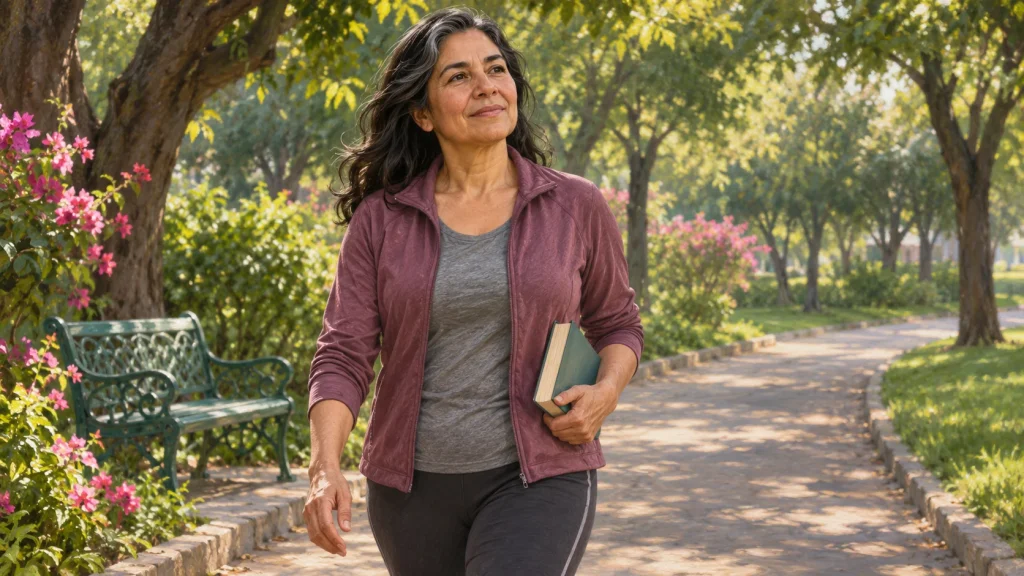
Today, I continue to practice the recovery program. I no longer feel overwhelmed by that sadness, and I have learned to care for myself in my everyday life. Little by little, I have developed a routine: planning physical activity throughout the week, eating healthily, reading, and working to meet my responsibilities. For me, these activities are part of learning to take responsibility for my well-being. Above all, I am learning to accept what I went through and change the way I live today. I cannot change my past, but today I can take steps toward building a life that feels meaningful to me.
Consuelo
El encuentro que marcó la diferencia: Emocionales Anónimos
Eliana encontró verdadera transformación cuando llegó a Emocionales Anónimos, una comunidad donde pudo compartir su dolor sin vergüenza y escuchar historias similares a la suya.
“Encontré personas que escuchan y entienden mi historia. Ahí descubrí que mis miedos se disuelven cuando los enfrento acompañada.”
La práctica espiritual y emocional del programa la ayudó a revisar su historia de una forma nueva, menos cruel, más compasiva.
“Acepté mi pasado, perdoné a mi familia y me perdoné a mí misma.”
Aprendió a poner límites con amabilidad.
A soltar el miedo a la reacción de los demás.
A elegir su bienestar.
Y, sobre todo, a descansar.

Recuerda, los grupos Emocionales Anónimos ofrecen un entorno seguro y comprensivo donde puedes compartir tus pensamientos y emociones sin temor a ser juzgado. Al escuchar las experiencias de otros miembros que han superado desafíos similares, puedes obtener esperanza y perspectiva.
Además, el apoyo emocional y el sentido de pertenencia pueden ayudarte a sentirte menos sola y más motivada para buscar tu recuperación.