Clara’s story: When my obsessions controlled my life
A childhood shaped by wanting and getting
From an early age, much of my thinking revolved around food, sweets, cartoons, toys, and attention. I wanted my mother or my sisters to prepare whatever I felt like eating, and I was always focused on having certain things. As I grew older, this behavior extended to clothes and shoes. When my mother did not buy me what I wanted, I felt deeply angry with her and could spend a long time crying. I constantly wondered why they would not prepare certain foods for me or give me the things I wanted. My resentment became so intense that I even thought it would have been better if I had never been born if my mother was not going to give me what I wanted. She chose the food, toys, and clothes she thought were appropriate for me, but I could not accept that. I grew up thinking that once I had a job and earned my own money, I would buy myself anything I wanted. However, when that time came, reality was different because I had to take care of my household needs first.

My weight became an obsession
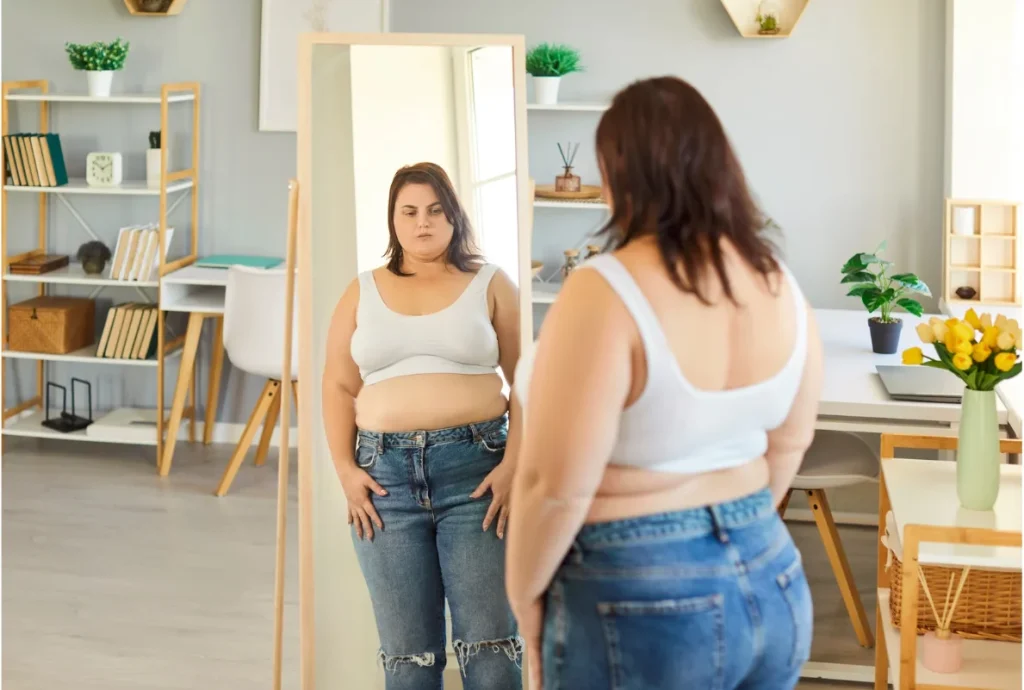
I was overweight from childhood and always wanted to be thin. I compared myself with my siblings and felt deeply resentful because they were thin and I was not. Doctors explained that I needed to pay attention to my diet and make physical activity a regular part of my life.
However, I loved sweets and pasta, and exercising felt like a tremendous effort. I wanted my body to change, but I was not willing to change my habits. I could not stop thinking about my weight or control my relationship with food and sugar. I remember that when I was 19, a doctor told me that I needed to stop consuming sugar and find alternatives. Whenever I tried, I experienced anxiety, desperation, mood changes, and even felt like crying. Although I desperately wanted to lose weight, I continued doing the same things while expecting different results.

Living preoccupied with my appearance
Once I had the financial means, I sought help to reach what I considered my ideal weight. I went to doctors, took weight-loss pills, and joined gyms where I received guidance on nutrition and exercise. I managed to lose weight, but I could not maintain the habits that helped me get there. Once I reached my goal, I stopped what I was doing and eventually found myself repeating the same cycle. I also began abusing controlled medications. It was no longer simply about being thin. I needed other people to see me that way. I wanted to dress fashionably, wear certain brands, and fit into clothes that I associated with young, thin women. When I went to parties, I wanted my body to attract attention and wanted to feel that people were looking at me. At one point, I ran excessively and even participated in a marathon because I wanted to have an impressive waistline. I also smoked to suppress my appetite and keep myself from eating too much.
My body eventually began showing signs that something was wrong. For three days, I experienced severe dizziness and could not concentrate. I went to the doctor and was diagnosed with low blood pressure. I received treatment and felt better, but I did not tell the doctor about my misuse of medication or my alcohol and nicotine use. I stopped taking the pills, but other harmful behaviors increased. My weight went up and down depending on whether I was eating compulsively or not eating at all. Even then, my mind remained focused on the same thing. When I gained weight, I avoided going out because I felt ashamed. When I managed to lose weight, I would go out again because comments about my appearance were extremely difficult for me to handle.
When I could no longer live the same way
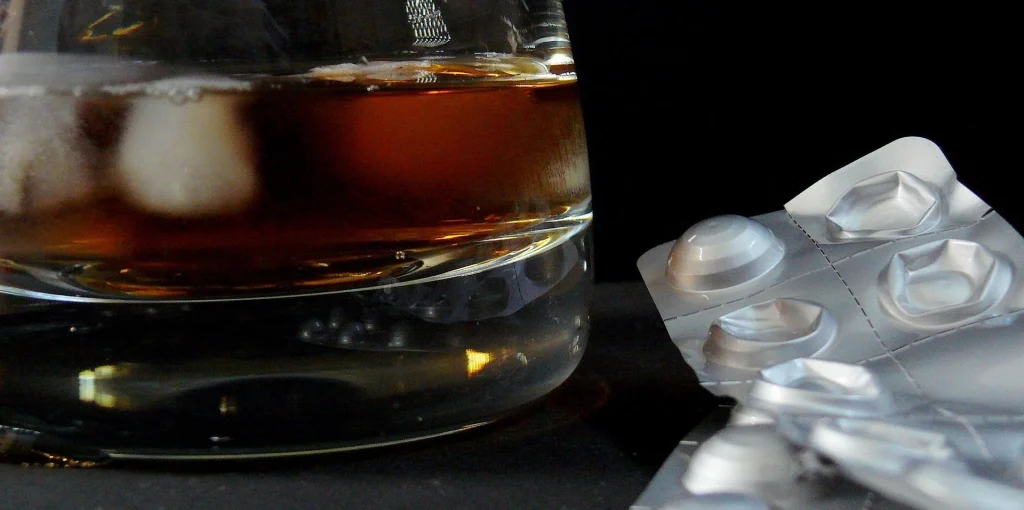
For years, I drank alcohol and took painkillers to relieve my hangovers. At the same time, I remained trapped in thoughts about my weight, food, and appearance. Eventually, I found myself overweight, with no desire to live, unable to control my habits, and exhausted from constantly pursuing the idea of being thin. I finally decided that I did not want to continue living that way, and I found my way to a recovery program. Here, I began to discover that many of my behaviors were connected to emotional problems and harmful habits. I also came to understand that for years I had been trying to change what I saw on the outside without truly paying attention to what was happening inside me. My obsessions had taken up an enormous amount of space in my mind and influenced of my decisions.
Learning to live differently
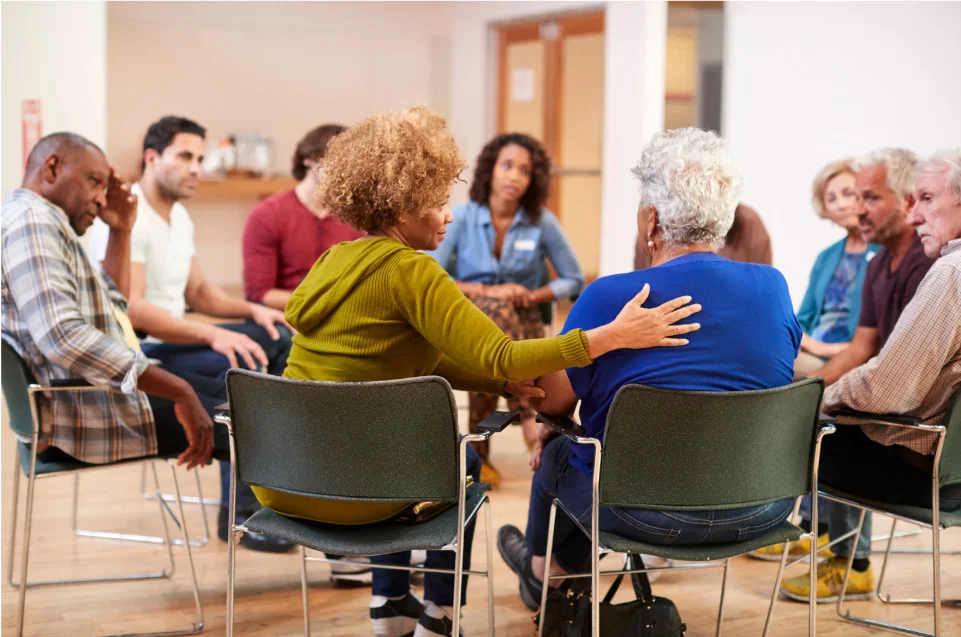
In the recovery program, I found people who understood what I was going through and shared their own experiences with me. Little by little, I realized that if I gave myself the opportunity to live differently, I could begin changing my habits and work toward greater emotional stability. The change was neither immediate nor easy. With the support of my fellow members, I gradually learned to take better care of my nutrition, personal hygiene, and sleep. I also incorporated physical activity several times a week and began attending my medical appointments regularly. It was no longer simply about reaching a certain weight or achieving a particular appearance; it was about learning to take care of myself. For many years, I believed that if I could just have the body I wanted, I would finally feel good about myself. Today, I understand that my recovery is not about achieving a perfect appearance, but about changing the way I live. The experiences shared by my fellow members and the program have helped me recognize my obsessions, work through my emotions, and gradually build healthier habits. What once constantly occupied my mind no longer has to control my life.
Clara C.
El encuentro que marcó la diferencia: Emocionales Anónimos
Eliana encontró verdadera transformación cuando llegó a Emocionales Anónimos, una comunidad donde pudo compartir su dolor sin vergüenza y escuchar historias similares a la suya.
“Encontré personas que escuchan y entienden mi historia. Ahí descubrí que mis miedos se disuelven cuando los enfrento acompañada.”
La práctica espiritual y emocional del programa la ayudó a revisar su historia de una forma nueva, menos cruel, más compasiva.
“Acepté mi pasado, perdoné a mi familia y me perdoné a mí misma.”
Aprendió a poner límites con amabilidad.
A soltar el miedo a la reacción de los demás.
A elegir su bienestar.
Y, sobre todo, a descansar.

Recuerda, los grupos Emocionales Anónimos ofrecen un entorno seguro y comprensivo donde puedes compartir tus pensamientos y emociones sin temor a ser juzgado. Al escuchar las experiencias de otros miembros que han superado desafíos similares, puedes obtener esperanza y perspectiva.
Además, el apoyo emocional y el sentido de pertenencia pueden ayudarte a sentirte menos sola y más motivada para buscar tu recuperación.