Monica's Story: When the mind moves faster than reality
“Living with Anxiety: My Journey Toward Inner Peace”.
A childhood marked by fear and uncertainty
I was only three years old when I first began to experience anxiety. My mother was seriously ill, bedridden due to rheumatoid arthritis, and I lived with the constant fear of losing her. Her physical pain was visible, and it triggered a deep sense of distress in me. I believed she could die at any moment, and that I would be left alone, without the care of my sisters.
From a very young age, my mind was filled with thoughts about her death and what would happen to me. Instead of fading, this worry grew over the years until it became constant, making it difficult for me to concentrate and affecting my studies, especially when my mother was hospitalized. I also began to struggle with insomnia because of this situation.

Growing up in an environment of tension and violence
During my childhood, my anxiety was not only rooted in the fear of losing my mother, but also in living within a difficult family environment. My brother was aggressive and violent toward me, which created a constant sense of insecurity.
I tried many times to change his behavior, asking him to respect me, but when that didn’t happen, my distress intensified. Even in moments of apparent calm, my body continued to react with physical symptoms such as head pressure, rapid heartbeat, muscle tension, and difficulty sleeping.

Constant thoughts and fear of the future
Over time, my mind began to constantly anticipate negative scenarios. I imagined that after my mother’s death, my brother would throw me out of the house and I would end up living on the streets. Although these thoughts were not real at the time, they felt completely true and caused me great suffering.
I lived with the constant feeling that something bad was about to happen. I avoided leaving the house out of fear that something might happen to my mother or that I might be involved in an accident. Even darkness made me anxious, as I associated it with danger.
I also worried constantly about the future, imagining that we would end up without a home, without resources, and without food.
Early responsibility and emotional exhaustion
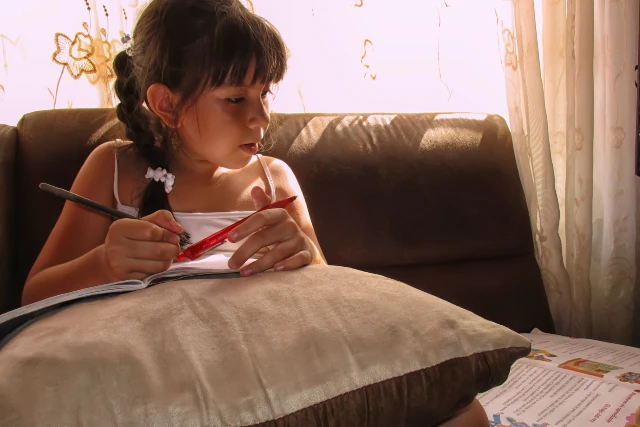
At the age of 13, I began working while continuing my studies due to financial hardship after my father passed away. I took on responsibilities far beyond my age: work, school, and household duties, since my mother was unable to manage them.
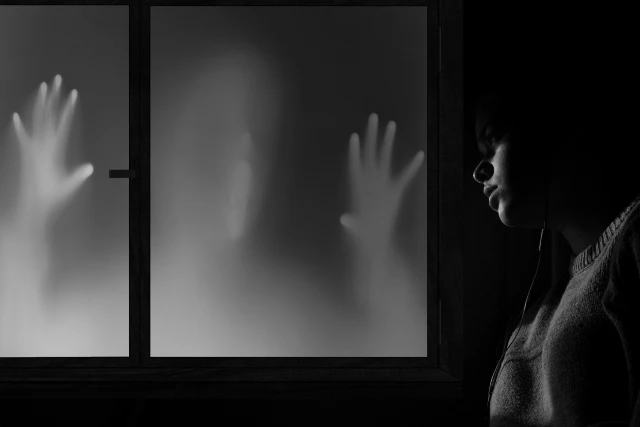
This situation significantly increased my anxiety. I slept only three to four hours a day, and my physical symptoms became more intense. I lived with constant fear, fear of my mother’s death, fear of my brother’s violence, and fear of not being able to survive on my own.
Negative thoughts were persistent, accompanied by a sense of losing control and a constant need to try to control everything around me, without success.
A breaking point and Finding Support
At 29, I arrived at a support group feeling overwhelmed, deeply distressed, and without inner peace. From the very beginning, I felt welcomed with respect and understanding. As I listened to others, I realized I was not alone, and that realization began to bring me a sense of calm.
By the end of my first meeting, I experienced something I hadn’t felt in a long time: peace. I found a space where I could express my thoughts and feelings without being judged. Someone kindly invited me to learn about and practice the 12-step program, offering me hope through their words.
I decided to give myself that opportunity, and little by little, I began to notice changes. Through the program, I came to understand that my anxiety did not appear overnight, it developed over time. It started with small worries, became a pattern of thinking, increased my need for control, intensified until it felt unmanageable, and ultimately led me to seek help.
Today, thanks to this process, I have begun to live a different kind of life.
Mónica R.

El encuentro que marcó la diferencia: Emocionales Anónimos
Eliana encontró verdadera transformación cuando llegó a Emocionales Anónimos, una comunidad donde pudo compartir su dolor sin vergüenza y escuchar historias similares a la suya.
“Encontré personas que escuchan y entienden mi historia. Ahí descubrí que mis miedos se disuelven cuando los enfrento acompañada.”
La práctica espiritual y emocional del programa la ayudó a revisar su historia de una forma nueva, menos cruel, más compasiva.
“Acepté mi pasado, perdoné a mi familia y me perdoné a mí misma.”
Aprendió a poner límites con amabilidad.
A soltar el miedo a la reacción de los demás.
A elegir su bienestar.
Y, sobre todo, a descansar.

Recuerda, los grupos Emocionales Anónimos ofrecen un entorno seguro y comprensivo donde puedes compartir tus pensamientos y emociones sin temor a ser juzgado. Al escuchar las experiencias de otros miembros que han superado desafíos similares, puedes obtener esperanza y perspectiva.
Además, el apoyo emocional y el sentido de pertenencia pueden ayudarte a sentirte menos sola y más motivada para buscar tu recuperación.